【連続展】浜昇の戦後と昭和 Vol. 6“灰と蝶” 2026.12.18 – 2026.12.27 12:00 - 20:00 会期中無休/DAILY OPEN
-
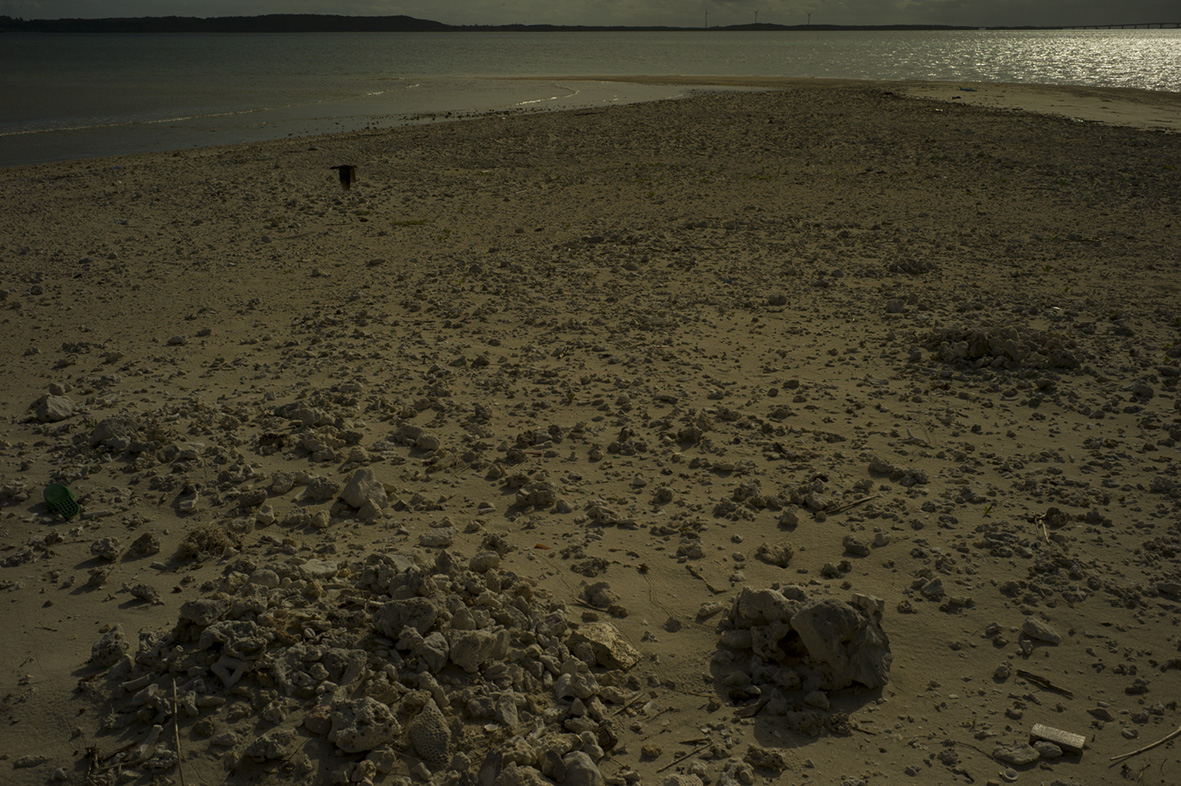
大神島 2012 -

久高島 2018 -
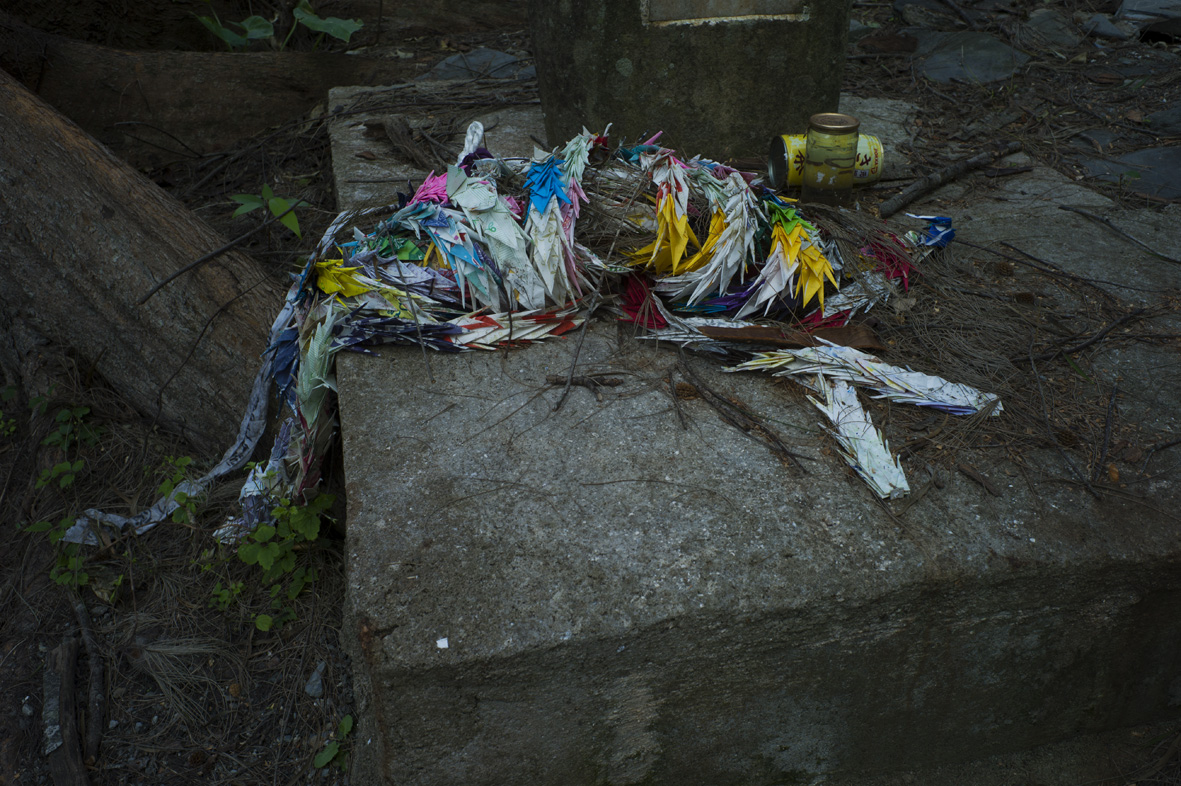
座間味島 2010 -
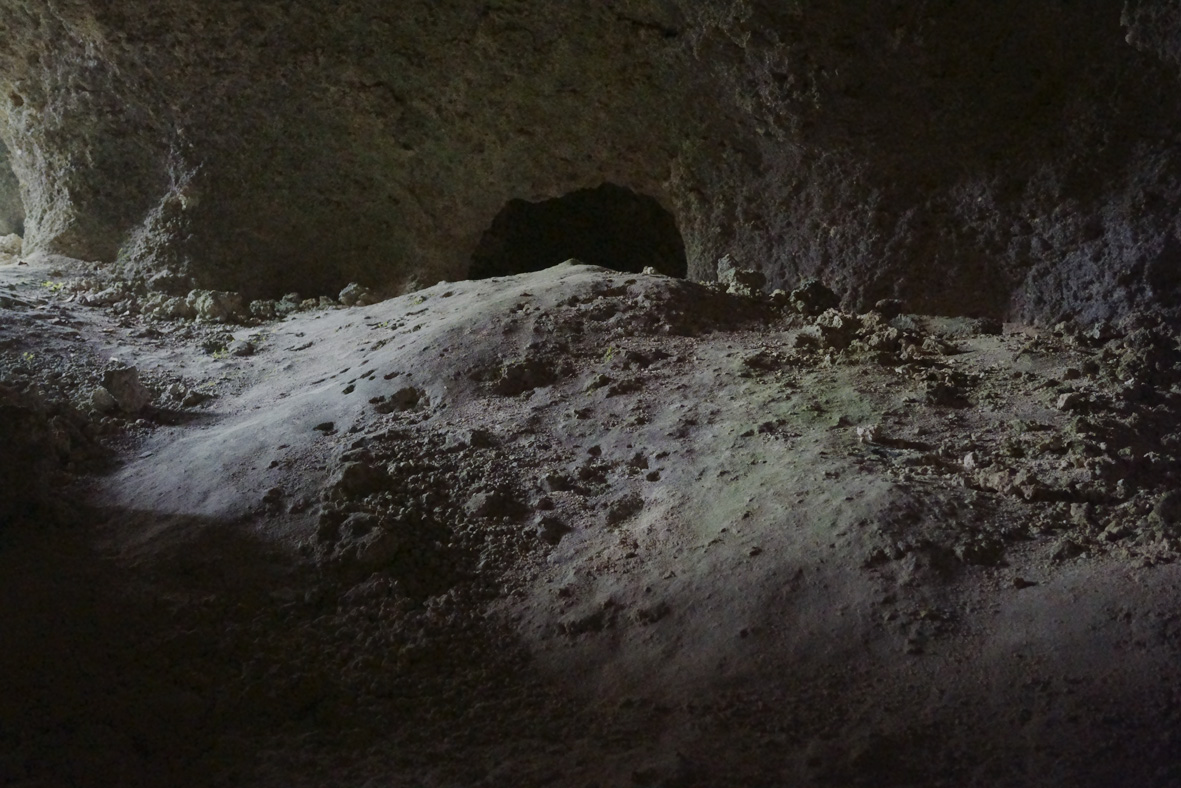
伊江島 2022 -
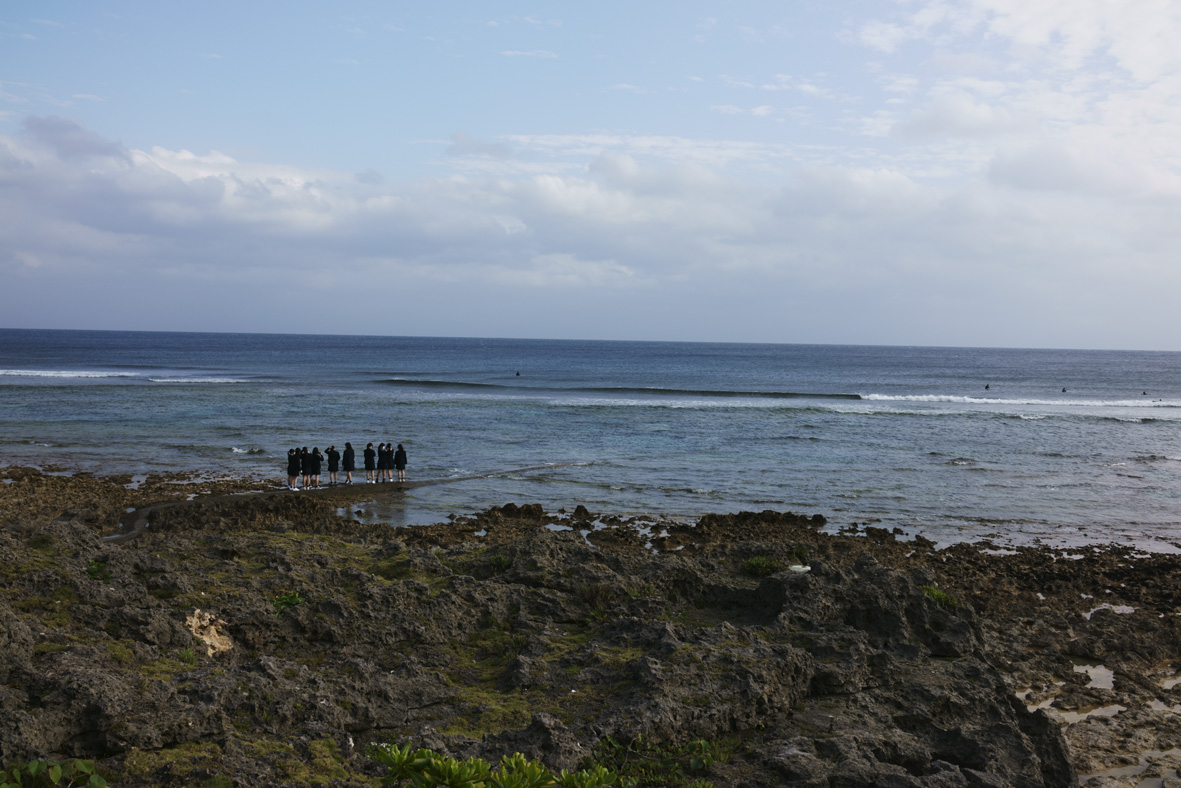
米須海岸 2022 -
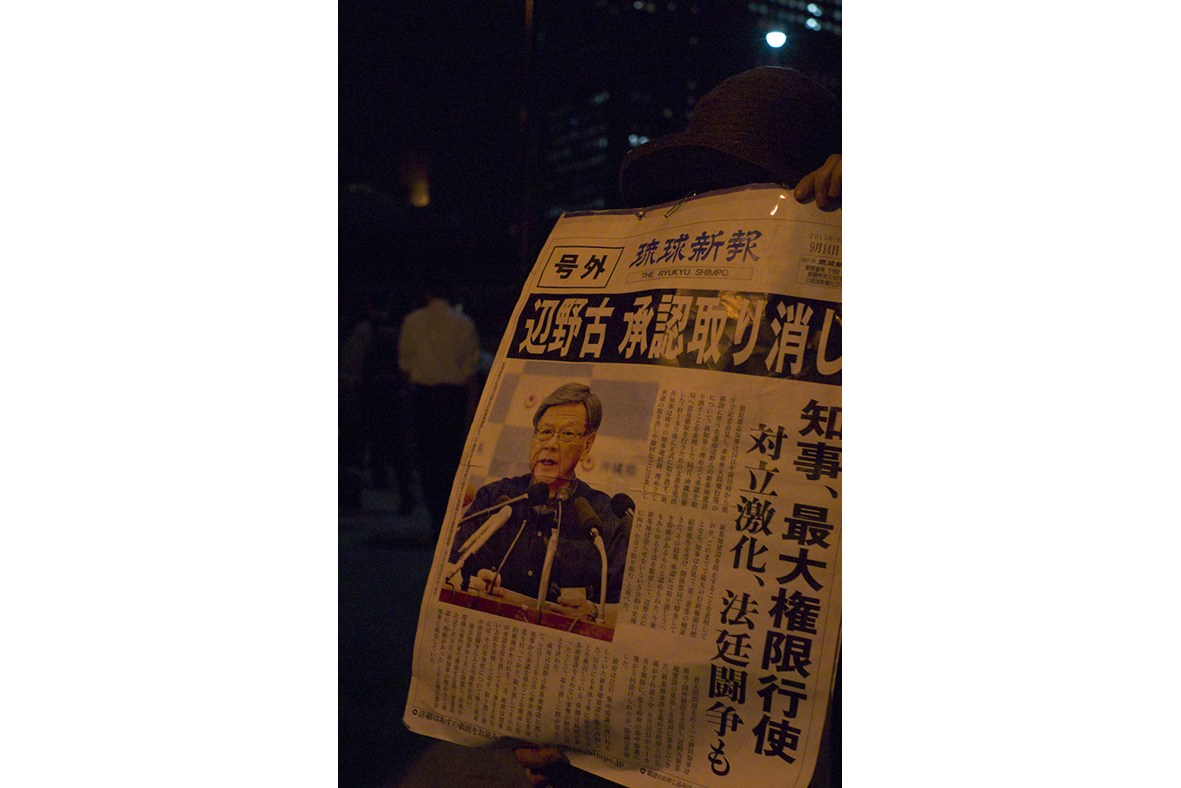
首相官邸前:琉球新報 2015 -
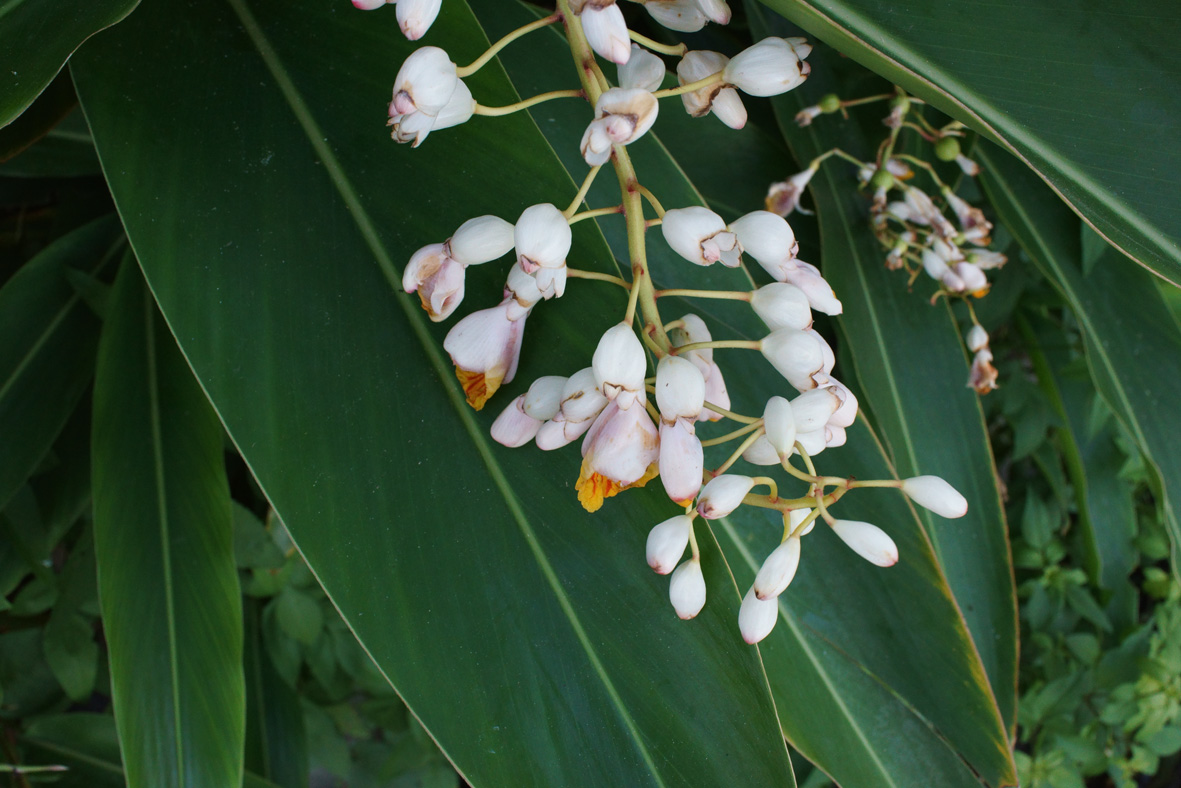
米須:月桃 2016 -
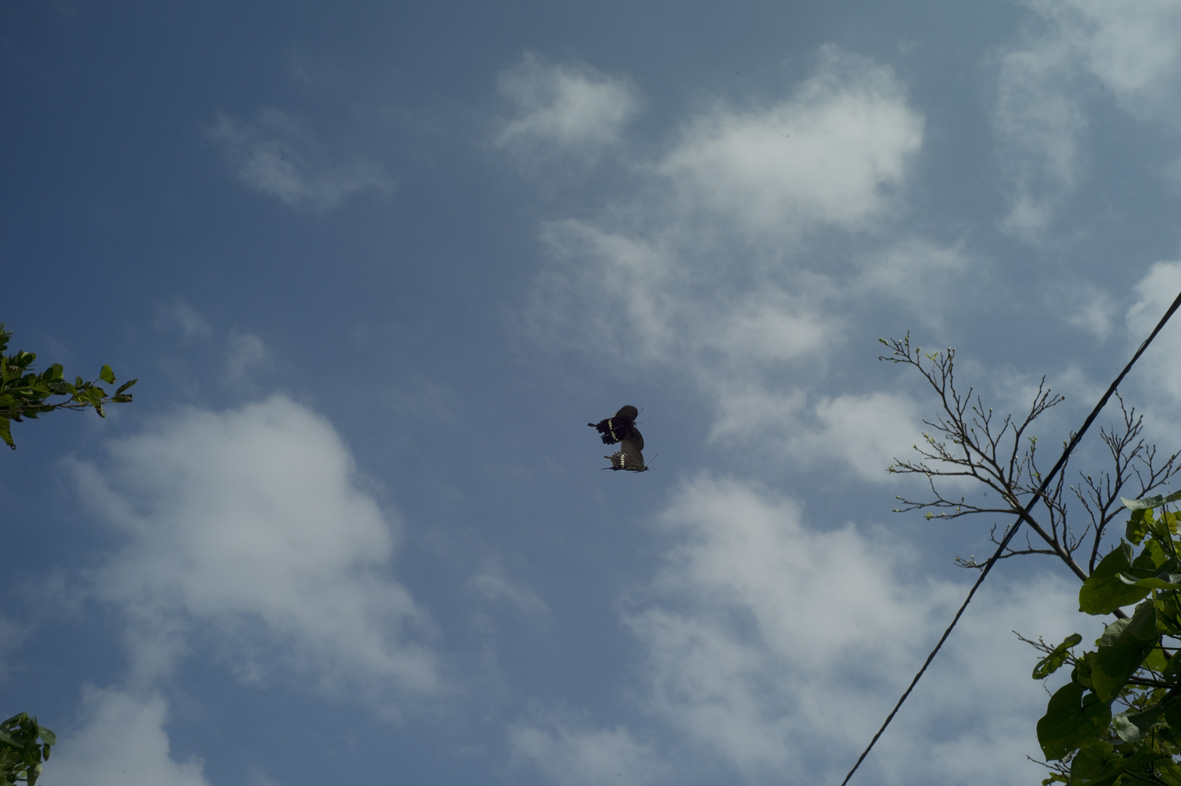
慶留間島 2010
浜昇 「灰と蝶」
「灰と蝶」には、那覇市波上宮に立つ歌碑を写した1枚がある。「思はざる病となりぬ沖縄をたづねて果たさむつとめありしを」。戦後巡幸を含め、在位中に一度も沖縄に足を踏み入れることのなかった昭和天皇が、1987年の沖縄訪問中止に際して詠んだ歌である。
『沖縄という名』(ソリレス書店、2017年)を刊行後に浜は、6月23日「慰霊の日」に繰り返し沖縄を訪れるようになる。かつて沖縄に通っていた頃は意識的に撮影を避けていた沖縄戦の戦跡や強制集団死のあった場所など、沖縄の「現場」を訪れることから撮影を再開する。強制集団死をめぐって浜は、ときに「集団自決」と表記されもすることに危機感を示している。「自決」という言葉がもたらす自発性の響きは、国家がもたらした加害の構造を覆い隠してしまう。遺族の意思に反して靖国神社に住民たちが合祀されている事実をのちに知った浜は、衝撃を受けたという。住民の意思と国家の思惑のねじれ、あるいは両者を隔てる距離。その隔たりのなかでなお、死者を弔うとはどういうことなのか。戦後翌年に本土で生まれた浜は、自身と沖縄との埋めがたい隔たりをも見つめながら沖縄に足を運びつづけている。
浜昇(1946年、東京生まれ)は、1975年に東松照明や森山大道らが講師を務めた「WORKSHOP写真学校」に参加後、自主ギャラリー「PUT」設立に携わり、80年代に差しかかるまで個展・グループ展を通じて精力的に作品を発表します。その後も撮影を継続しながら、自ら設立したレーベル「写真公園林」での出版活動へと軸足を移し、写真展を含めた発表の場からは次第に距離を置くようになります。
しかし2000年代に入ると、バブル景気の地上げ等で虫食い状態となった東京を記録した写真953点を収めた『VACANT LAND 1989』にはじまり、「本土復帰」後から90年代までの沖縄を記録した『沖縄という名』、昭和天皇の国葬当日とその前後の東京を記録した『斯ク、昭和ハ去レリ』へと、昭和を総括するかのように写真集を続けて刊行しています。
そして2025年6月、当ギャラリーの出版レーベルKula Booksでは、浜の7冊目となる写真集『津軽野』を刊行しました。これを機に、写真家・浜昇の50年にわたる仕事の軌跡を辿りなおす試みとして、未発表作と最新作を含む6つのシリーズからなる連続展を開催いたします。
連続展の開催にあわせて、冊子『【連続展】浜昇の戦後と昭和』(A5判、中綴じ24頁)を刊行しました。会場や書店等での配布のほか、WebサイトにてPDF版のダウンロード頒布も行なっています。
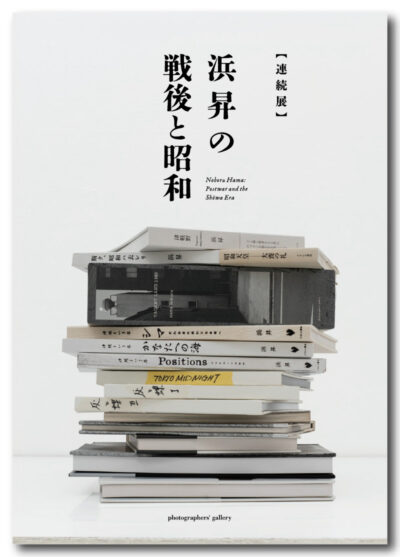
A5判|カラー|中綴じ24頁
企画 |長町文聖
テキスト|亀岡倫太郎
編集 |米田拓朗
デザイン|成瀬慧
発行日 |2025年12月23日
発行 |photographers’ gallery
Noboru Hama Ashes and Butterflies
Among the photographs in Ashes and Butterflies is one of a stone monument inscribed with a waka poem at Naminoue Shrine in Naha, Okinawa. The poem reads:
“I have taken ill unexpectedly
But I had a duty to fulfill
By visiting Okinawa”
Emperor Shōwa composed the poem in 1987, when illness forced him to cancel a planned visit to Okinawa. Throughout his reign, despite his postwar tours of Japan, he never once set foot in Okinawa.
Following the publication of The Name Okinawa, Hama began making repeated visits to Okinawa on June 23, Okinawa Memorial Day. He returned to photography by visiting the actual sites of the Battle of Okinawa, including places where forced group deaths had occurred—places he had deliberately avoided photographing during his earlier visits. Hama has expressed concern that these deaths are sometimes described as “mass suicides.” The word “suicide” implies a voluntary act, obscuring the structures of state violence that led to these deaths. Hama was later shocked to learn that Okinawan civilians had been enshrined at Yasukuni Shrine against the wishes of their bereaved families.
The gulf between the wishes of Okinawan civilians and the intentions of the state raises a question: what does it mean to mourn the dead in the face of such a divide? Born on the Japanese mainland in 1946, the year after the war ended, Hama continues to return to Okinawa, mindful of the distance between himself and the islands—a distance that cannot be closed.