【連続展】浜昇の戦後と昭和 Vol. 2“斯ク、昭和ハ去レリ” 2026.4.3 – 2026.4.12 12:00 - 20:00 会期中無休/DAILY OPEN
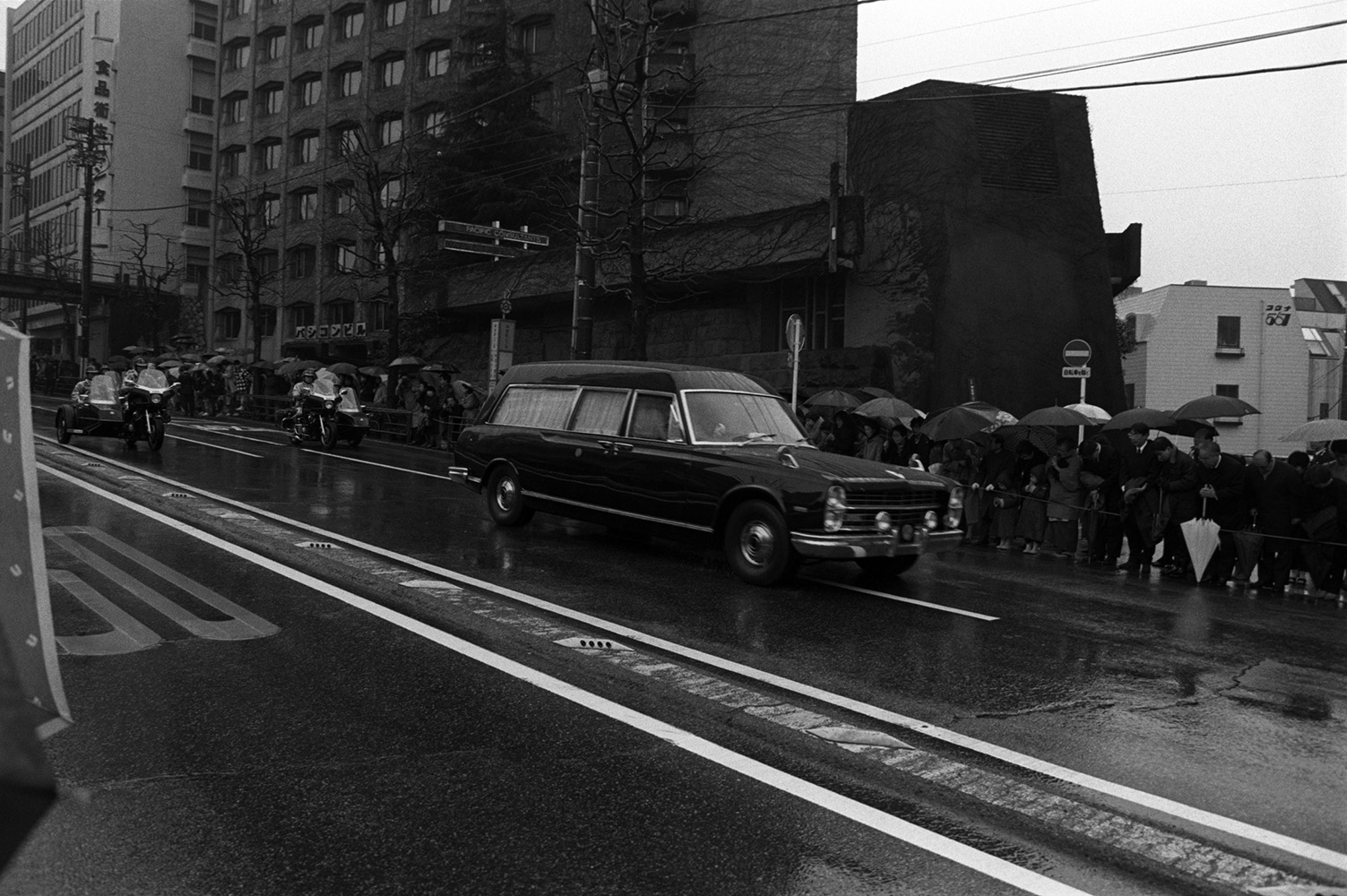

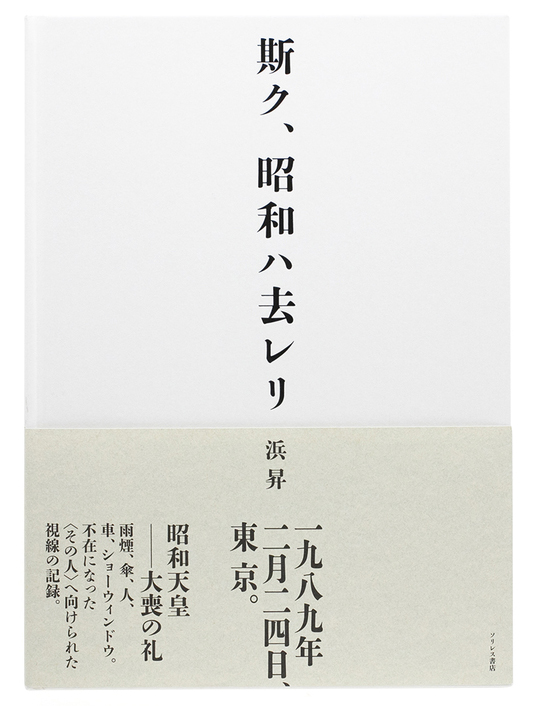
浜昇「斯ク、昭和ハ去レリ」
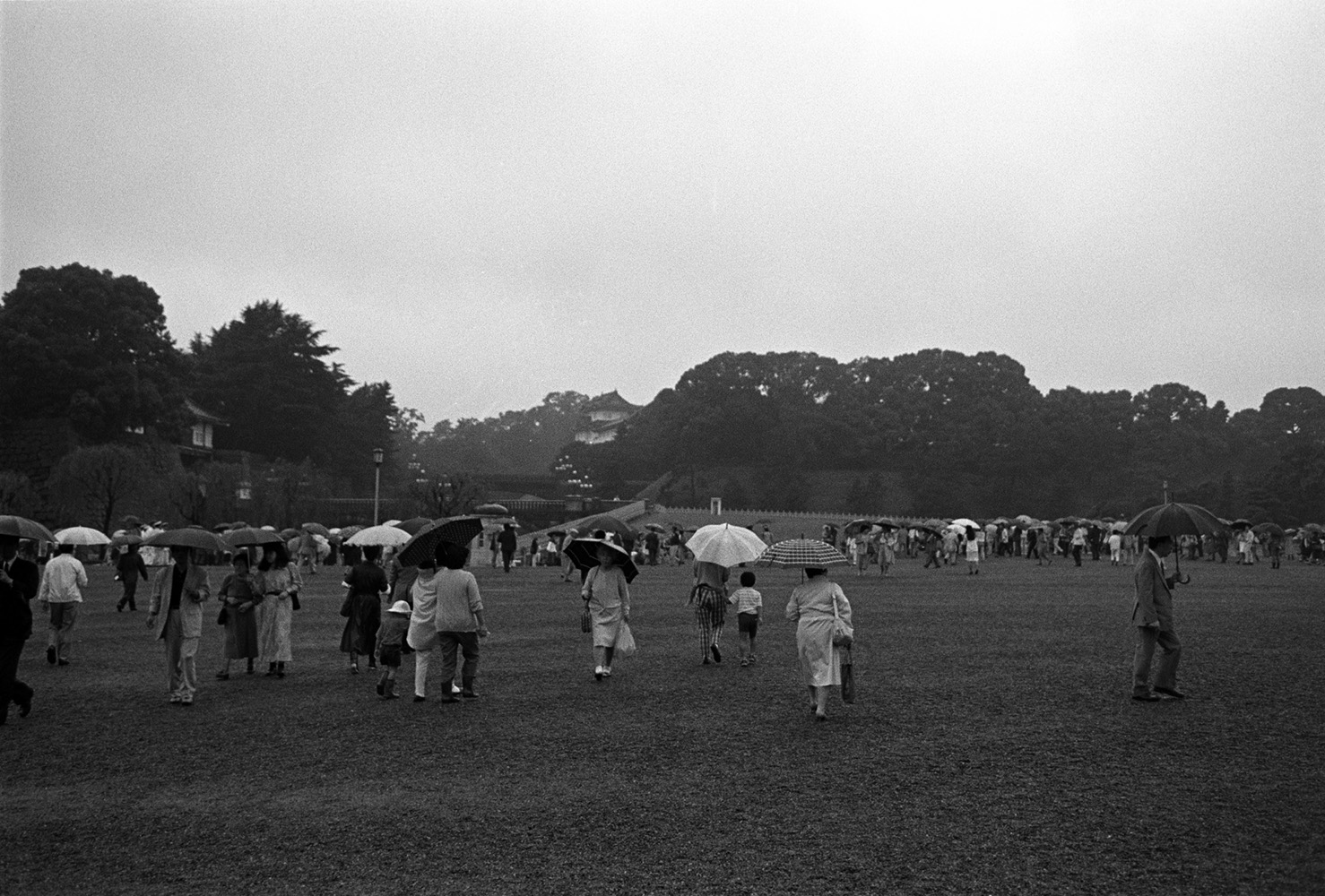
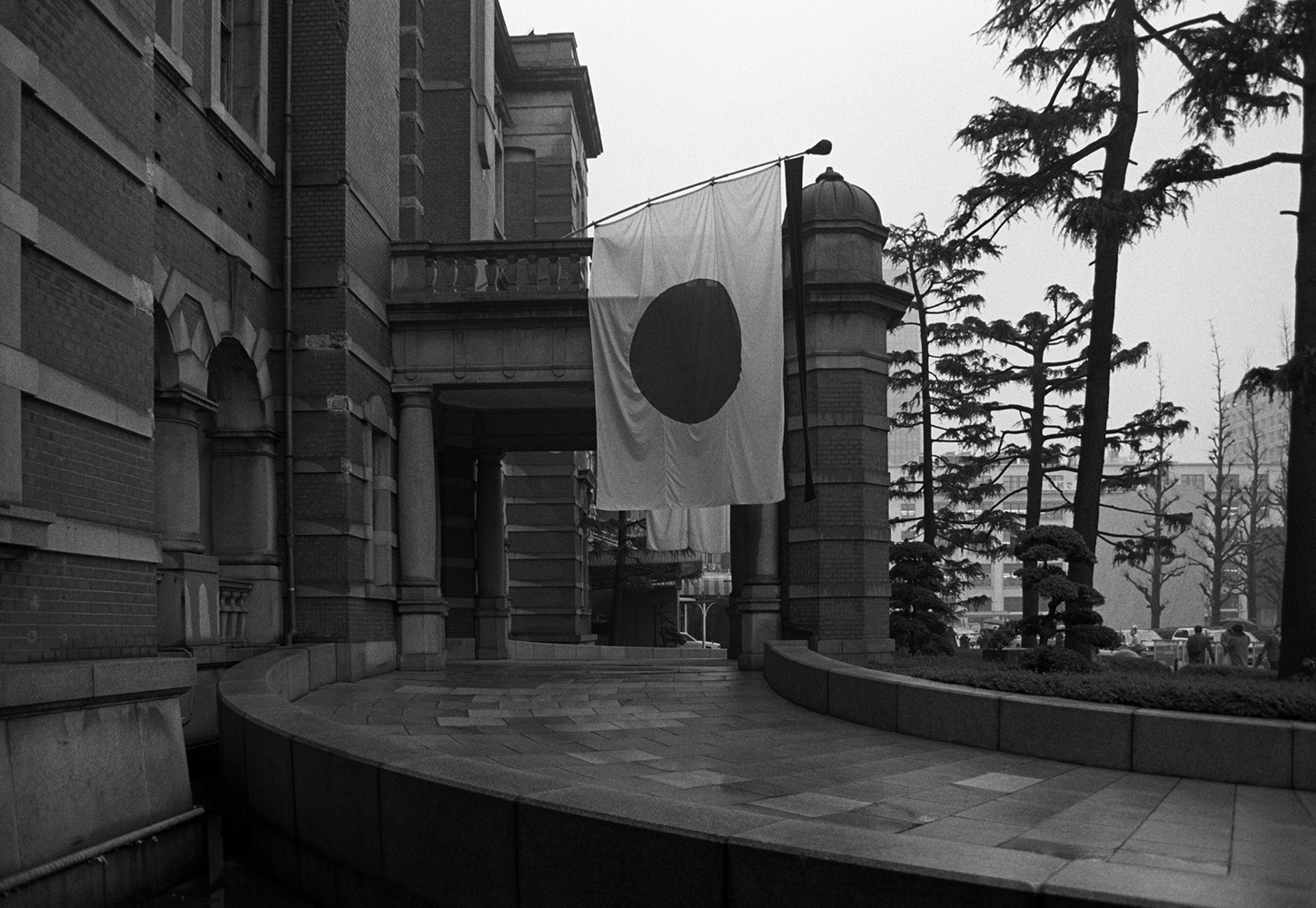
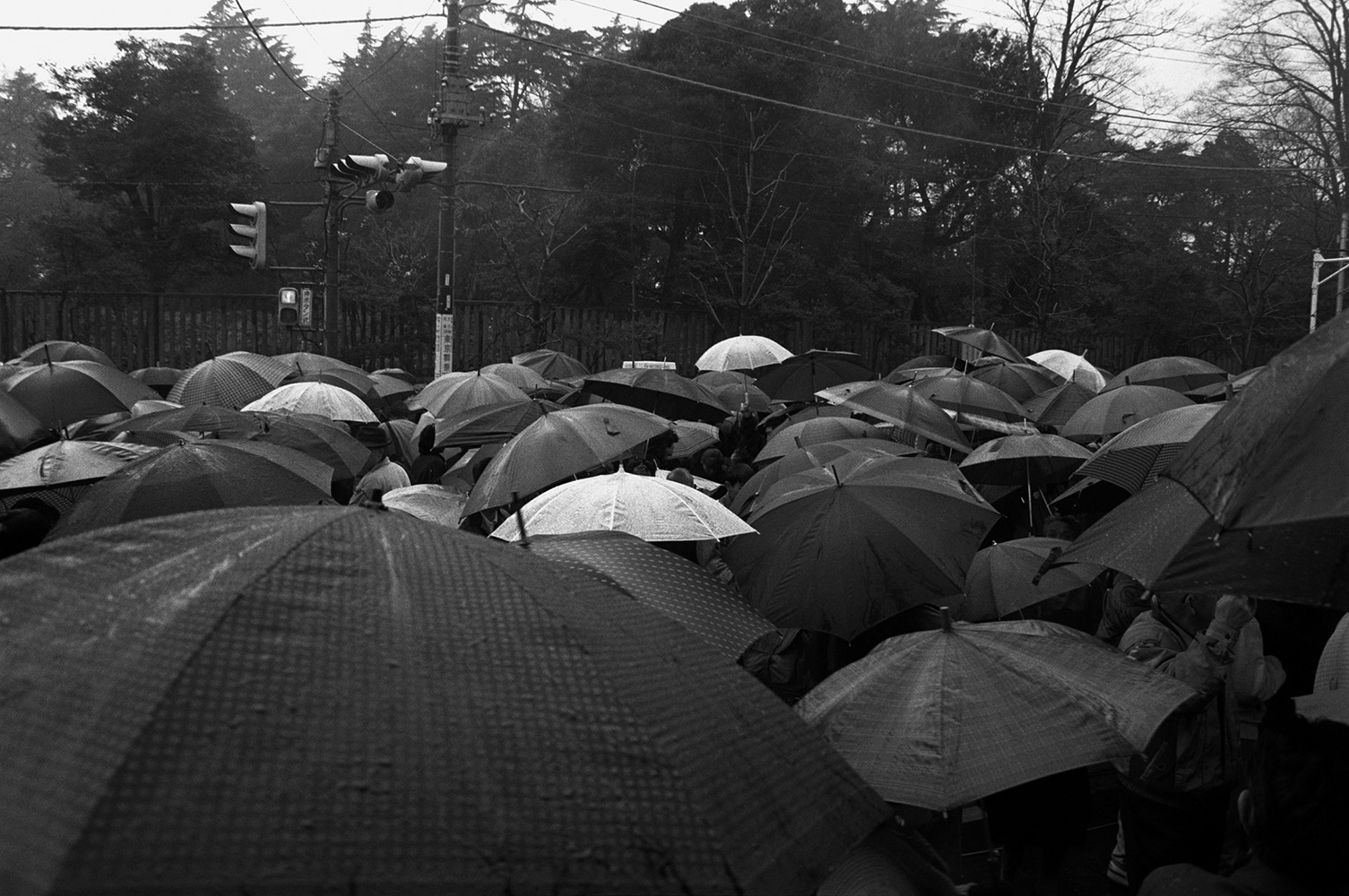
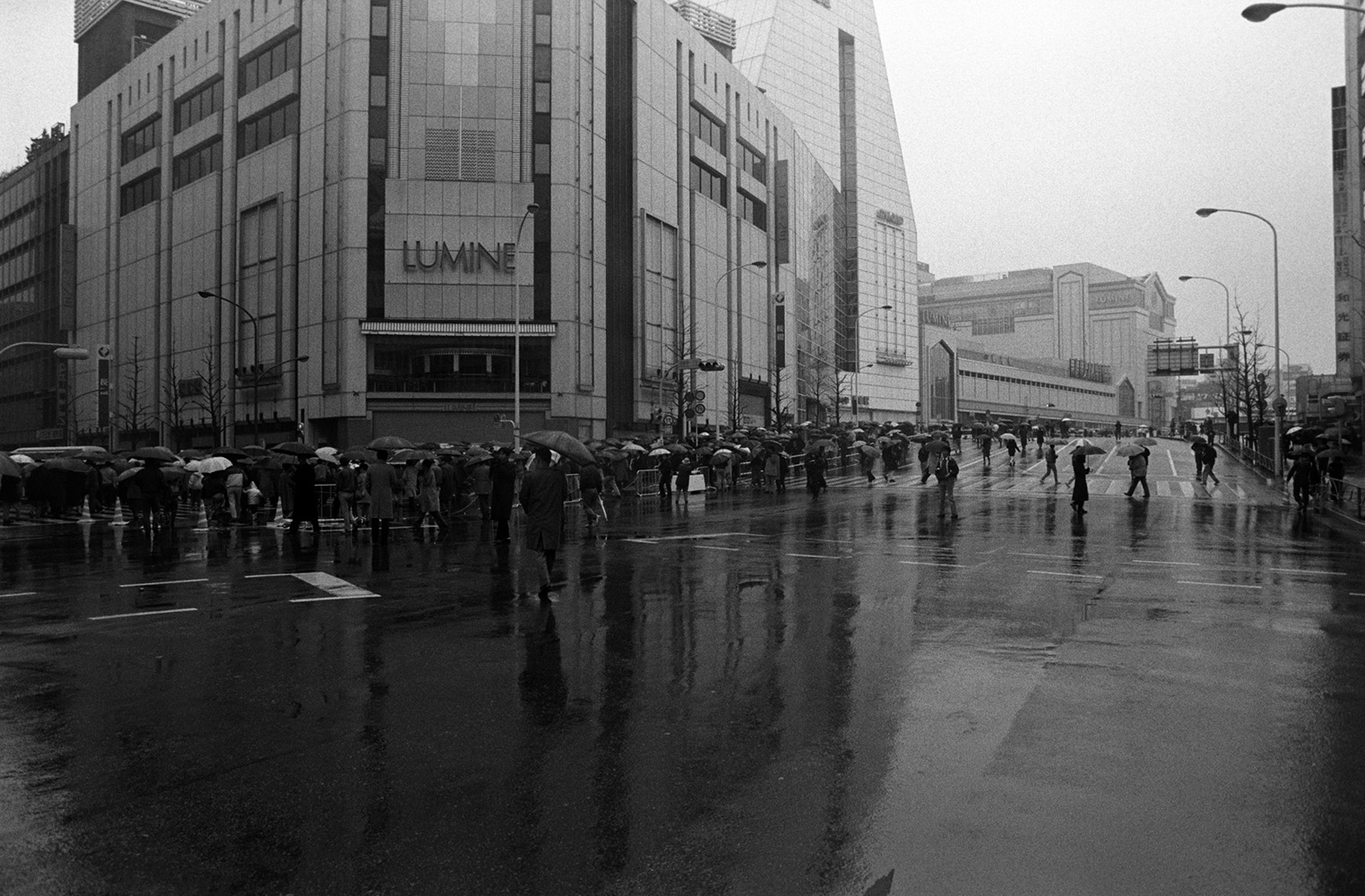
2019年、平成から令和への改元を目前にして浜昇は写真集『斯ク、昭和ハ去レリ』を刊行しました。写真集を構成しているのは、昭和天皇の吐血報道から4日後の1988年9月24日、死去翌日の1989年1月8日、国葬が執り行われた同年2月24日の計3日間に撮影された写真です。
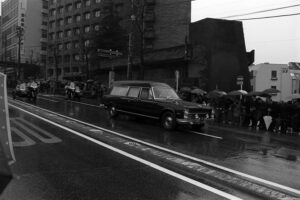
なかでも目を引くのは、収録されたすべての写真の、あたかも1日で撮られたかのような天候の一致です。浜はこの雨模様を「まるであらかじめ巧妙に計算されたかのようだった」と語っています。
戦後をアメリカに生かされ、バブル経済の只中に死を迎えた〈その人〉は、最期まで繁栄の印たりえ、90年代初頭のバブル崩壊や冷戦構造の消滅を目にすることはありませんでした。写真集刊行にあたって浜は、意図的に階調の出ない沈んだ印刷を心がけ、「万世一系」の清き白に対抗する汚れた白のイメージをそこに仮託し、ささやかな反骨精神を伝えています。
浜昇(1946年、東京生まれ)は、1975年に東松照明や森山大道らが講師を務めた「WORKSHOP写真学校」に参加後、自主ギャラリー「PUT」設立に携わり、80年代に差しかかるまで個展・グループ展を通じて精力的に作品を発表します。その後も撮影を継続しながら、自ら設立したレーベル「写真公園林」での出版活動へと軸足を移し、写真展を含めた発表の場からは次第に距離を置くようになります。
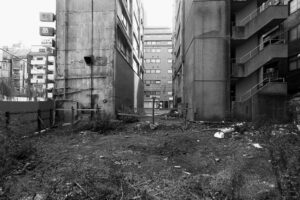
しかし2000年代に入ると、バブル景気の地上げ等で虫食い状態となった東京を記録した写真953点を収めた『Vacant Land 1989』にはじまり、「本土復帰」後から90年代までの沖縄を記録した『沖縄という名』、昭和天皇の国葬当日とその前後の東京を記録した『斯ク、昭和ハ去レリ』へと、昭和を総括するかのように写真集を続けて刊行しています。
そして2025年6月、当ギャラリーの出版レーベルKula Booksでは、浜の7冊目となる写真集『津軽野』を刊行しました。これを機に、写真家・浜昇の50年にわたる仕事の軌跡を辿りなおす試みとして、未発表作と最新作を含む6つのシリーズからなる連続展を開催いたします。
連続展の開催にあわせて、冊子『【連続展】浜昇の戦後と昭和』(A5判、中綴じ24頁)を刊行しました。会場や書店等での配布のほか、WebサイトにてPDF版のダウンロード頒布も行なっています。

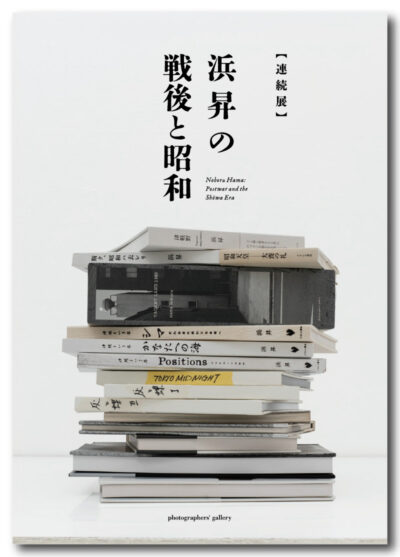
A5判|カラー|中綴じ24頁
企画 |長町文聖
テキスト|亀岡倫太郎
編集 |米田拓朗
デザイン|成瀬慧
発行日 |2025年12月23日
発行 |photographers’ gallery
In 2019, on the eve of the imperial transition from the Heisei to the Reiwa era, Noboru Hama published the photobook Thus, the Showa Era Departed (Sot-l’y-laisse Publishers).
The book is composed of photographs taken on just three days: September 24, 1988—four days after reports of Emperor Showa’s hematemesis; January 8, 1989—the day after his death; and February 24 of the same year, when the state funeral was held.
Most striking is the remarkable consistency of weather throughout the images. Every photograph appears as though it were taken on a single day. Hama later reflected that the persistent rain “felt as though it had been meticulously calculated in advance.”
Having been sustained by the United States in the postwar period and meeting his death at the height of the bubble economy, “that man” remained a symbol of prosperity until the very end. He did not witness the collapse of the bubble in the early 1990s, nor the dissolution of the Cold War order.
For the publication of the book, Hama deliberately pursued a subdued printing process that suppresses tonal gradation. In doing so, he entrusted the work with the image of a sullied white—set in opposition to the pure white of the myth of an “unbroken imperial line”—quietly conveying a restrained but resolute spirit of defiance.




OLD_VILLAGE_202511-300x200.jpg "(画像_01) OLD_VILLAGE_202511")